

AI and Mental Wellness: Can Chatbots Ease Loneliness—or Make It Worse?
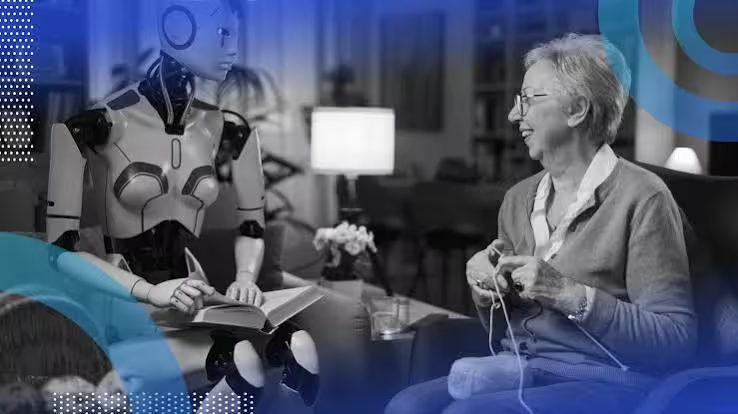
AI friends are entering into everyday life. Unlike basic customer-service bots, these conversational tools are designed to reply with empathy, remember previous details, provide encouragement, and create a feeling of ongoing connection. For someone who is isolated, stressed, or emotionally overwhelmed, that availability can feel comforting.
But the relationship between AI companions and mental wellness is more complicated than it first appears. A chatbot can provide a private space to reflect, organize thoughts, or practice calming techniques. At the same time, it cannot truly understand a person’s life, read nonverbal signals, or replace the care of a qualified mental-health professional.
As more people turn to AI for conversation and support, it is worth asking an important question: can AI companions ease loneliness, or might they deepen the problem over time?
How is AI being used in mental health?
AI is being used in mental health to provide personalized support and guidance.
It can help identify signs of stress, anxiety, depression, and other concerns.
AI-powered chatbots can offer emotional support and coping strategies.
It can assist therapists by analyzing patient information and tracking progress.
However, AI should support—not replace—qualified mental health professionals.
What are 7 human skills that AI cannot replace?
- Empathy – Understanding and responding to human emotions.
- Creativity – Creating truly original ideas and expressions.
- Critical Thinking – Making thoughtful judgments in complex situations.
- Communication – Building genuine human connections and trust.
- Leadership – Inspiring, motivating, and guiding people.
- Adaptability – Handling unexpected situations with human intuition.
- Emotional Intelligence – Understanding emotions, relationships, and social cues.
Is it okay to use ChatGPT for mental health?
Yes, ChatGPT can be used for general mental health support and guidance.
It can help you understand emotions, manage stress, and explore healthy coping strategies.
It can also help you prepare questions for a therapist or mental health professional.
However, ChatGPT cannot replace a qualified therapist, psychologist, or psychiatrist.
For serious or urgent concerns, always seek help from a trained professional.
Why Do People Use AI Companions for Support?
AI companions are available 24/7, do not require appointments, and typically respond without judgment. This combination can be appealing for people experiencing loneliness, social anxiety, burnout, or difficult life transitions.
For example, someone may use an AI companion to journal after a stressful workday, talk through an argument with a friend, or receive reminders to take breaks, drink water, and maintain a routine. Chatting with AI may feel easier than speaking with another person, especially for someone who worries about being misunderstood or bothering others.
A Low-Pressure Space to Express Feelings
One potential benefit of AI companions and mental wellness tools is that they can help people put emotions into words. Sometimes, the first step in managing stress is simply identifying what is happening:
“I feel anxious before meetings.”
“I am exhausted.”
“I miss having close friends.”
A chatbot can ask reflective questions and help organize scattered thoughts. It may suggest a journal prompt, breathing exercise, gratitude practice, or practical next step. For people who find emotional conversations difficult, this can be a useful starting point.
However, users should remember that an AI response is generated from patterns in data. It may sound caring, but it does not have feelings, personal experiences, professional judgment, or a true understanding of someone’s circumstances.
Accessibility and Everyday Convenience
Mental-health services can sometimes be expensive, difficult to access, or limited by long waiting periods. AI companions may appear attractive because they provide instant conversations and are often free or affordable.
They may be useful for simple wellness activities, such as:
- Creating a bedtime routine
- Preparing questions for a therapy session
- Tracking mood patterns
- Building self-care plans
- Practicing relaxation techniques
The American Psychological Association notes that some technology-based mental-health tools may offer supportive benefits in specific situations. However, AI chatbots should not replace psychotherapy or professional mental-health care.
Can AI Companions Help With Loneliness?
Loneliness is not simply the state of being alone. It is the painful difference between the level of connection someone has and the connection they want or need.
An AI companion may temporarily reduce loneliness by offering conversation, attention, and a place to express thoughts. For someone who has recently moved to a new city, works remotely, cares for a family member, or is recovering from a breakup, an AI companion may provide a sense of stability during difficult moments.
It can encourage reflection instead of emotional suppression. It can also make a quiet evening feel less empty.
The Value of a Temporary Emotional Bridge
In some cases, AI companions can work as a bridge rather than a replacement for human relationships.
They may help users:
- Prepare for difficult conversations
- Identify emotions
- Practice communication skills
- Build confidence before reaching out to others
For example, someone might ask an AI tool to help write a message such as:
“I have been having a difficult week. Would you like to catch up soon?”
This type of use supports real-world relationships instead of replacing them.
The World Health Organization recognizes social connection as an important part of health and wellbeing. Social isolation and loneliness are associated with negative mental and physical health outcomes.
What Are the Risks of Depending Too Much on AI Companions?
The concern is not simply that people talk to chatbots. The bigger concern is what happens when AI becomes a person’s main source of emotional support.
Human relationships involve mutual care, shared experiences, body language, boundaries, disagreement, and genuine emotional exchange. An AI companion cannot provide these elements.
A chatbot may also:
- Provide inaccurate information
- Agree too easily with harmful beliefs
- Give overly confident advice
- Miss important warning signs
A trained therapist, friend, or family member may notice changes in someone’s behavior, voice, appearance, or daily habits that an AI system cannot detect.
When Validation Becomes Unhelpful
Feeling understood is important, but constant agreement is not always healthy support.
A good friend or therapist may challenge harmful assumptions, encourage accountability, or suggest seeking additional help when necessary.
AI companions can sometimes reinforce a person’s existing viewpoint without enough context. If someone is experiencing negative thought patterns, unhealthy relationship behaviors, paranoia, or serious emotional distress, simple agreement from a chatbot may not be helpful.
Users should be careful about asking AI to:
- Diagnose mental-health conditions
- Make major relationship decisions
- Interpret trauma
- Provide emergency support
AI can assist with reflection, but it should not become the final authority on personal wellbeing.
Why Privacy Matters in Emotional Conversations
People often share deeply personal information with AI companions, including relationship problems, health concerns, financial worries, and private fears.
Before using an AI platform, users should review:
- Privacy policies
- Data storage practices
- Conversation deletion options
- Information-sharing rules
Avoid sharing sensitive details such as passwords, financial information, medical records, exact locations, or private information about other people.
Personal conversations with AI may not have the same privacy protections as a private journal or confidential therapy session.
How Can You Use AI Companions in a Healthier Way?
The healthiest approach is to view AI companions as one tool within a larger mental wellness routine.
They can support reflection, planning, and self-improvement, but real human relationships should remain central.
https://ensorahealth.com/blog/exploring-the-rise-of-ai-companions-and-their-impact-on-mental-health
Use AI for Practical Support, Not Emotional Dependence
Healthy ways to use AI may include:
- “Help me create a calming evening routine.”
- “Give me journal questions for a stressful week.”
- “Help me prepare questions for my therapist.”
- “Help me write a message to reconnect with a friend.”
- “Suggest ways to improve my daily habits.”
However, some patterns may become unhealthy, such as:
- Spending many hours in emotional conversations with AI
- Avoiding real relationships because AI feels easier
- Believing AI understands you better than every person around you
- Replacing hobbies, sleep, work, or social activities with chatbot interactions
Setting boundaries can help ensure AI remains a helpful tool rather than becoming an unhealthy dependency.
When Should You Seek Human Help?
AI companions are not designed to handle emergencies or provide professional treatment.
If someone feels persistently hopeless, unsafe, unable to cope, or disconnected from reality, they should contact a qualified mental-health professional, a trusted person, or emergency support services.
Speaking with a therapist about AI use can also be valuable. There is no need to feel embarrassed. A therapist can help explore what needs the AI companion is fulfilling and identify healthier ways to build support and connect.
AI Companions and Mental Wellness
AI companions can provide comfort, encourage reflection, and support healthy routines when used with clear boundaries. They may offer a private, low-pressure space for people who need help organizing thoughts or managing everyday stress.
However, lasting mental wellness comes from a broader support system that includes meaningful relationships, healthy habits, professional care when needed, and communities where people feel connected.
Artificial intelligence can be a useful assistant on that journey, but it should never become the only companion someone depends on.
